

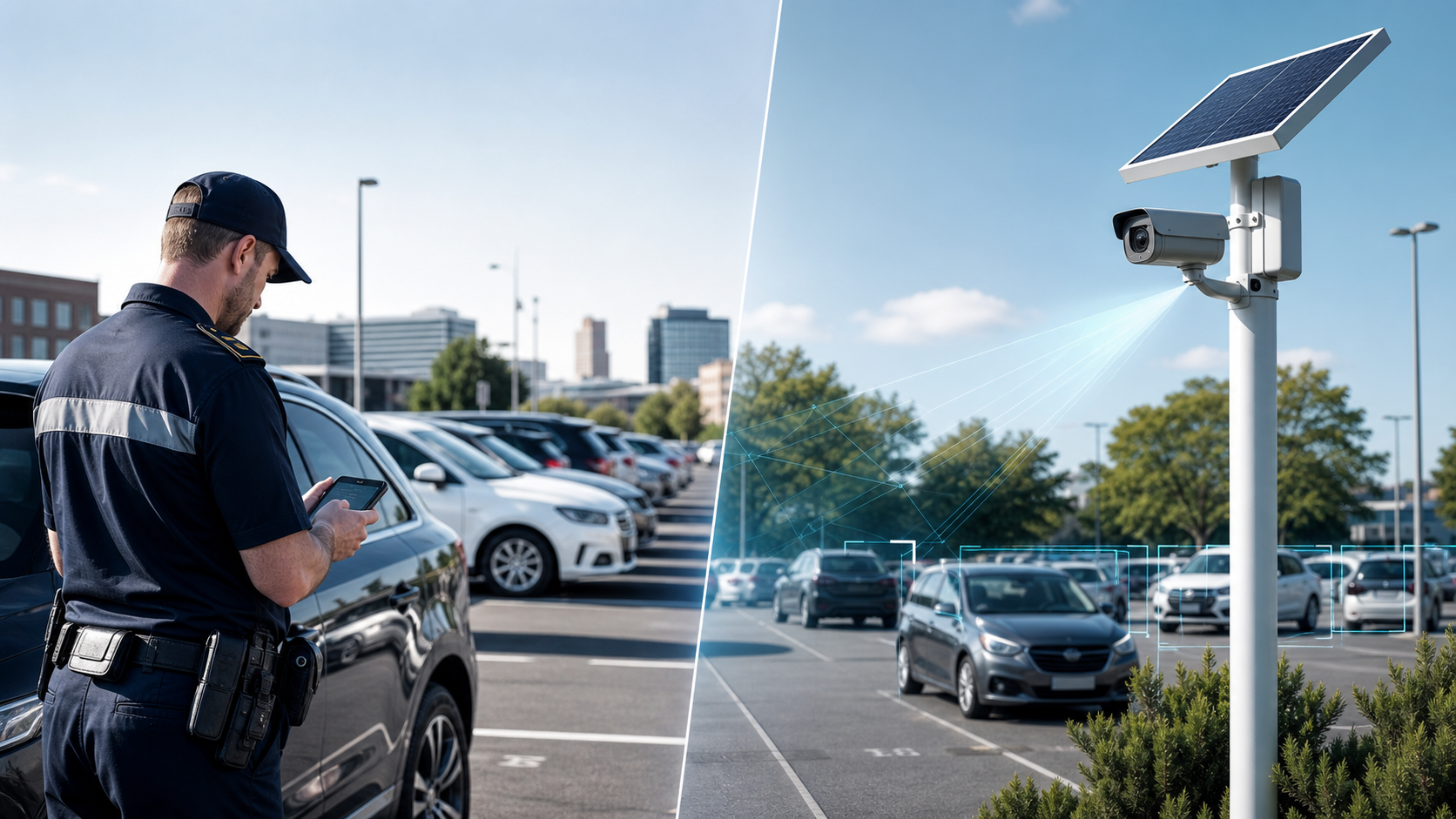
license plate recognition for parking enforcement
PLACA.AI is a specialized software that utilizes artificial intelligence (AI) to detect and process vehicle license plate numbers. With more and more cars on the road everyday, license plate recognition (LPR) technology grows in demand, especially for the purpose of parking enforcement.
LPR Parking Enforcement: Industry Statistics
The shift from manual to automated parking enforcement is accelerating across the US. LPR technology reduces staff costs, increases violation capture rates, and provides real-time data that manual enforcement simply cannot match. New York City alone generates over $500 million annually in parking fine revenue — most of which depends on efficient enforcement infrastructure. (Source: NYC Comptroller, 2024)
What is LPR Parking Enforcement Technology?
PLACA.AI is an example of license plate recognition parking enforcement technology, or also known as LPR parking technology. This technology allows parking enforcement officers to scan license plate numbers quickly and more accurately. When connected to a cloud-based parking enforcement system, like PLACA.AI, the data is processed immediately. It can identify whether a parked car is authorized to park in that area via a payment, permit, or other registration. PLACA.AI enables officers to scan hundreds of vehicles in a short amount of time and removes the need for officers to manually input license plate numbers into their devices or look for a physical permit on the vehicle.
How It Works
PLACA.AI is an easy-to-use software that can be adapted to to any size parking lot or garage.
- IP cameras equipped with PLACA.AI are mounted on top of of a parking enforcement vehicle which drives past parked cars to scan license plate numbers.
- PLACA.AI processes the images while the officer reads the license plates through a tablet that’s logged into the platform.
- If a parking violation is detected, the platform will notify the officer to issue a citation.
- The officer can add notes, photographic evidence, and print the citation or issue it through the email registered with the license plate.
- All data is transmitted in real time through the platform where parking administrators can access reports, manage their operations, and help their customers.
Benefits
Traditional methods of parking enforcement may involve paid parking meters, looking for a physical parking permit, or manually inputting license plate numbers into a software for verification. As compared to these methods, LPR parking technology is a lot more efficient and saves money in the long-run.
- The biggest benefit of this technology is that it allows parking enforcement officers to cover more ground in less time, making enforcement better. Having to input plate numbers manually or writing out citations takes up a lot of time which means that officers are not able to work quickly and may miss parking violations, which means less revenue and more parking issues.
- Another benefit is that it’s more accurate. When using physical parking permits, it’s common for people to pass around permits or even create fake ones. LPR parking technology is more accurate because license plates cannot be easily passed around or faked.
- Tracks time parked. One issue with traditional parking enforcement methods is that it’s difficult to track how long a vehicle has been parked there, if there is a time restriction. If using a paid meter, the person can keep adding more money into the meter which should be avoided in busy areas where other people may want to park there. Another method is “tire chalking” which is where the officer will put a mark on a vehicle’s tire with chalk and come back after the time limit has expired to determine whether or not the vehicle has overstayed its parking. PLACA enables officers to keep track of how long a vehicle has been parked there automatically.
- Centralized management. If you have multiple parking lots in various locations, setting up parking systems can be difficult. However, PLACA.AI makes this easy as everything is connected through one centralized online platform. All lots and data are updated in real-time that administrators can access anytime and from any internet-connected device.
Frequently Asked Questions
How does license plate recognition work for parking enforcement?
LPR cameras capture plate images as vehicles enter or remain in a parking area. AI software reads the plate number and cross-references it against permit databases or watchlists in real time. Unauthorized plates trigger automated alerts and documentation for enforcement action.
What is the difference between LPR and traditional parking enforcement?
Traditional enforcement requires staff to physically walk lots, manually check permits, and write tickets. LPR automates the entire process — cameras scan continuously, violations are flagged instantly, and evidence is captured automatically. LPR enforcement is faster, more consistent, and requires fewer staff.
Does PLACA.AI require specialized cameras for parking enforcement?
No — PLACA.AI works with any existing RTSP or ONVIF IP camera. For new deployments, PLACA.AI’s solar-powered GuardCam cameras install wire-free using 4G LTE, making them ideal for outdoor parking areas without power infrastructure.
What types of parking violations can PLACA.AI detect?
PLACA.AI detects unauthorized vehicles, expired permits, vehicles on watchlists, zone violations (e.g., fire lanes, reserved spots), time-limit violations, and unregistered vehicles. Rules are fully customizable per location and time of day.
How long does it take to set up PLACA.AI parking enforcement?
Most installations are operational within hours. Connect your existing IP cameras to the PLACA.AI cloud dashboard, configure your permit and violation rules, and the system begins scanning immediately. Solar-powered cameras require no wiring and can be mounted and active the same day.
How much does LPR parking enforcement cost?
PLACA parking enforcement software starts at $99/month per camera. Hardware and cellular data are billed separately where applicable. There are no per-scan fees. Start with a free trial at placa.ai/demo-form.
Related Resources
Talk to PLACA.AI
Need help choosing the right LPR workflow?
Send your property, parking, or access-control question through the PLACA.AI contact form. Dr. Suhayb and the team can help map the right camera, software, and enforcement setup.
Open contact form