

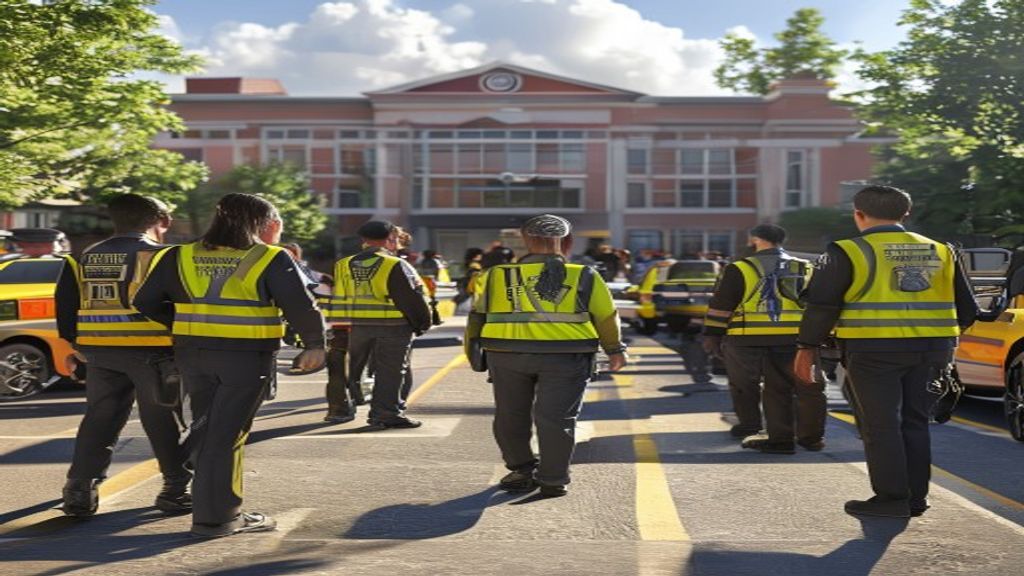
school dismissal safety
Student dismissal is the highest-risk moment of the school day from a safety perspective. More children are involved in traffic incidents near schools during the 30-minute window around dismissal than at any other time. And unauthorized pickup attempts — while rare — are most likely to succeed during the controlled chaos of a busy carline.
This guide covers the core safety practices K-12 administrators should have in place, the regulatory frameworks that inform them, and the technology available to enforce them reliably.
Unauthorized Pickup Prevention
The most dangerous safety gap in most dismissal systems is the failure to verify who is picking up a student, not just that someone is picking them up. Common vulnerabilities:
- Paper carpool tags that can be shared, copied, or presented by unauthorized adults
- Staff who recognize parents by face but miss new or unfamiliar vehicles
- High-volume periods where staff are processing cars quickly and verification steps get shortened
- No systematic check against custody restriction orders
Effective prevention requires a system that checks authorization for every pickup — not just when something looks suspicious. LPR-based systems like PLACA.AI’s driver pickup system check every incoming plate against the authorized pickup list automatically, flagging anything that doesn’t match before the student is ever called.
Student Verification Methods: A Spectrum
Schools use a range of verification approaches, from least to most reliable:
- Staff recognition — relies entirely on human memory; fails with substitute staff, new parents, and high-volume periods
- Paper carpool tags — easy to share or duplicate; no record of who used them
- Numbered position systems — controls queue order but doesn’t verify identity
- Parent app check-in — requires parent action; creates an authorization record but depends on the parent having checked in
- License plate recognition — automatic, creates a timestamped log, works regardless of parent action; requires initial plate registration
- LPR + QR fallback — handles unregistered vehicles with a verification step before student release
💡 Quick tip: Use PLACA.AI’s School Pickup Wait-Time Estimator to see how much time your school could save with automated LPR dismissal.
Communication with Parents About Safety
Parent communication about dismissal safety serves two purposes: it sets expectations that prevent accidental violations, and it builds the trust needed when a legitimate pickup is delayed for verification.
Best practices:
- Send an annual “how dismissal works” communication at the start of the year, explaining the verification process
- Make it easy for parents to update their authorized pickup list — a process that should take under 2 minutes
- Explain what will happen if an unregistered vehicle arrives: verification step, not immediate refusal
- If custody restrictions exist, communicate proactively with the custodial parent about how they are enforced
Emergency Lockdown Protocols
Dismissal procedures must integrate with emergency lockdown protocols. During a lockdown, the carline does not simply pause — it must be actively managed:
- All vehicles in the stacking lane must be instructed to leave or remain in place depending on the nature of the emergency
- Students who have already been called to the release zone must be returned to the building immediately
- Parents who have already picked up students must be notified of their child’s location
- Communication to queued parents must begin within 2–3 minutes of lockdown initiation
PLACA.AI’s dashboard includes a dismissal pause feature that locks all student queuing immediately and sends automated notifications to parents in the line.
Alyssa’s Law and School Safety Technology
Alyssa’s Law — named for Alyssa Alhadeff, a victim of the 2018 Parkland shooting — has been enacted in multiple states (Florida, New Jersey, New York, Texas, and others are expanding coverage). The law requires public schools to install silent panic alarm systems that communicate directly with law enforcement.
While Alyssa’s Law focuses on panic alarms rather than dismissal systems specifically, it reflects a broader legislative trend toward mandating campus safety technology. Schools evaluating LPR and access control systems should consider how they integrate with their overall campus security infrastructure. PLACA.AI’s GateCam and access control features integrate with existing alarm systems in most implementations. See the school campus solutions page for integration details.
Traffic Safety Near School Exits
The 30 minutes around dismissal are consistently the highest-risk period for pedestrian incidents near schools. Contributing factors:
- High vehicle volume on roads not designed for it
- Vehicles performing U-turns, blocking crosswalks, and double-parking
- Children crossing without supervision outside the designated crosswalk zone
- Driver frustration from long wait times leading to risky behaviors
Faster carline processing reduces the time vehicles spend circling neighborhood streets and cuts the volume of unsafe maneuvering. Schools that have cut their dismissal time by 40–60% with LPR systems report a corresponding reduction in traffic backup onto adjacent roads.
Technology Solutions for Verification
The technology tools available for dismissal verification range from simple to comprehensive:
- Barcode/QR scanners — faster than paper tags, but still require parent tags and staff scanning
- Parent app check-in — creates digital record, requires parent adoption
- LPR cameras — automatic, no parent action required, creates timestamped photo log of every pickup
- Gate access control + LPR — restricts which vehicles can even enter the campus area
For a comprehensive assessment of your school’s carline safety, book a free assessment at placa.ai/lpr-camera-demo.
Ready to Cut Your School’s Carline Wait Time?
PLACA.AI’s LineCam reads parent license plates as they pull in — no app, no paper tags, no manual checking. Students are queued and called before the car even reaches the front.
Book a Free 15-Min DemoCalculate your wait time first
No commitment required. Most demos are 15 minutes.
Internal Resources
- How School Transportation Directors Can Manage Rainy Day Carline Backups With Better Vehicle-Based Workflows
- How Elementary School Leaders Can Manage Rainy Day Carline Backups With Better Vehicle-Based Workflows
Related Resources
Related planning resource: improving dismissal accountability with LPR.
Related planning resource: verifying authorized vehicles during dismissal.
Data source: National Center for Education Statistics