
Closed-Loop Community Security Cameras Explained
A closed-loop community camera program keeps collection and decision-making inside a defined governance boundary. The community controls the approved purpose, user accounts, retention, exports, integrations, and disclosure process. “Closed loop” should describe verifiable architecture and operating rules—not a marketing label or a promise that data can never leave the system.
Define the loop
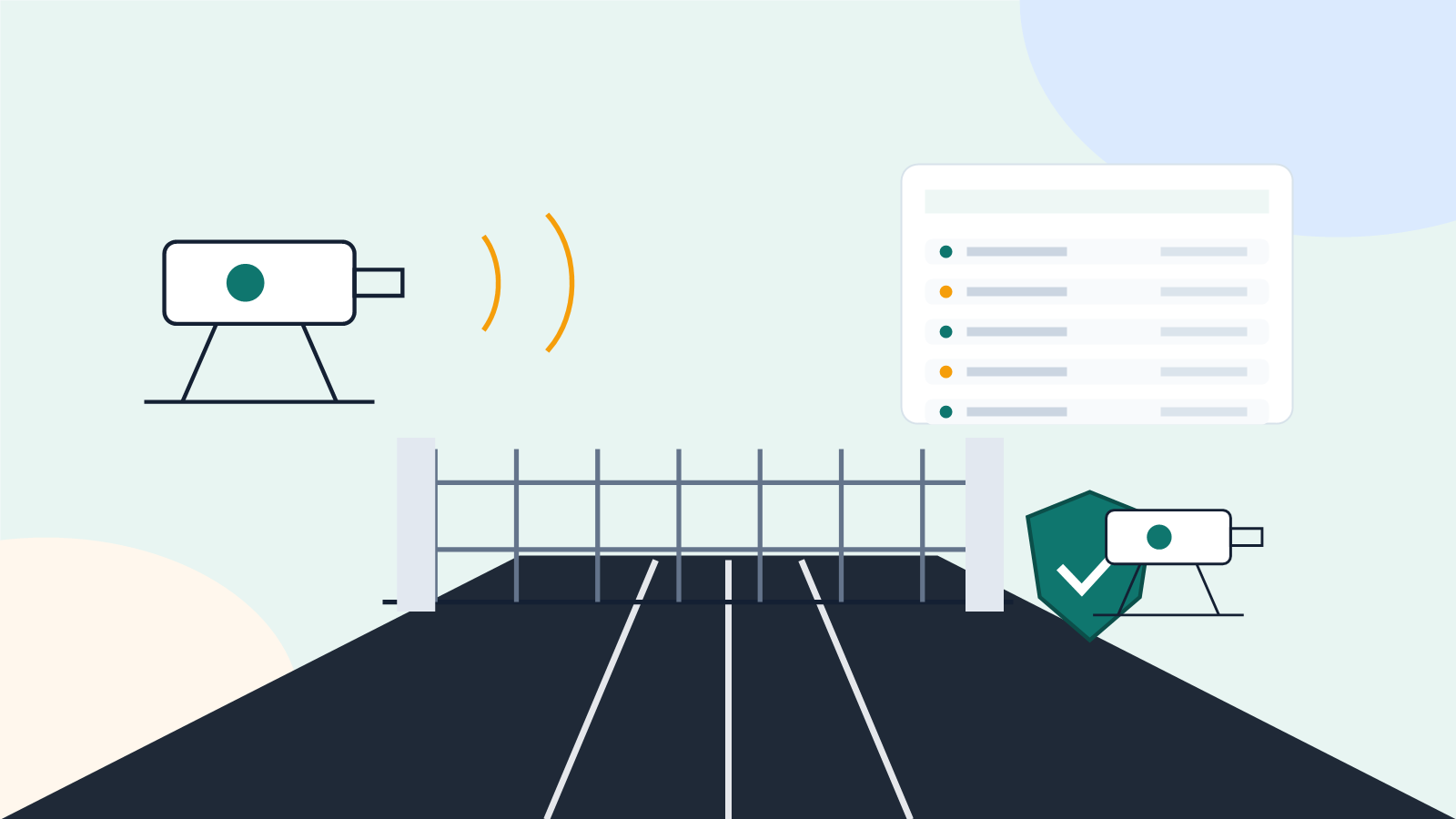
Draw the complete path from camera capture to operator decision, storage, review, export, disclosure, and deletion. Identify every vendor service and connected system that receives data or credentials. A program is not closed merely because residents cannot access it; the question is whether data flows beyond the approved community workflow.
Include support access, cloud hosting, analytics services, mobile apps, alert destinations, backups, and software integrations. Hidden paths usually appear at operational handoffs rather than at the camera.
Keep administration under community control
The community should approve administrators, assign individual accounts, and remove access promptly. Vendor technicians may need temporary support privileges, but those sessions should be authorized, time-limited, and logged.
Separate configuration authority from incident-review authority when practical. A person who can change retention, create accounts, and erase logs should not be the only person reviewing whether the system was used appropriately.
Limit alerts and shared lists
Automated alerts can turn a narrow incident tool into continuous monitoring. Define who can create a list, what evidence supports an entry, how long it remains active, and who reviews a match before action. Community lists should not quietly merge with external networks.
Test false-match handling and expired entries. An alert should carry the source, effective period, confidence information, and required human verification—not just a plate and a warning color.
Treat exports as a boundary crossing
An export leaves the controlled search environment and can be copied, emailed, printed, or stored indefinitely. Restrict export permissions, watermark or log files where feasible, and require a documented reason and recipient.
The disclosure policy should apply even when someone shares a screenshot rather than using an export button. Train administrators that convenience does not change the data’s sensitivity.
Verify deletion across the system
A retention setting on the main dashboard may not address downloaded files, incident folders, connected platforms, or support backups. Document each storage location and the deletion responsibility associated with it.
During acceptance testing, allow sample records to expire and confirm the result in ordinary search, administrator tools, and connected workflows. Record any residual copies and the schedule that governs them.
Know the limits of closed-loop design
Closed-loop governance reduces unnecessary sharing, but it does not make every collection lawful, accurate, secure, or useful. The board still needs authority, notice, security controls, a correction process, qualified legal review, and evidence that the program addresses the stated problem.
Review the loop whenever the vendor adds a feature, the community connects a new system, or staff create a new operating practice. Architecture changes faster than policy unless someone owns the comparison.
Frequently asked questions
Does closed loop mean data never leaves the property?
Not necessarily. Cloud processing or authorized disclosures may occur. The important point is that every flow is known, limited, approved, and auditable.
Can a closed-loop system still be misused?
Yes. Broad permissions, informal screenshots, excessive retention, and unsupported searches can defeat the design. Operations and oversight matter as much as architecture.
What should the board ask a vendor to demonstrate?
Ask for the data-flow map, account roles, support-access process, export logs, integration controls, retention behavior, deletion testing, and contract terms for data return.
Related PLACA.AI resources
Editorial refresh: July 23, 2026. This guide is general planning information, not legal advice. Confirm current product capabilities, contracts, governing documents, insurance requirements, and applicable law with qualified professionals.
Data source: Community Associations Institute