
Resident benefits of HOA LPR
A resident-friendly guide to how HOA license plate recognition can support visitor parking, resident vehicle registration, gate automation, parking compliance, and fewer access disputes.
Direct answer
This article is part of the HOA Privacy First Security Resource Center and connects readers to PLACA’s HOA LPR, gate access, resident solutions, and privacy planning resources.
Key Takeaways
Convenience is a real security benefit
A smoother gate and parking process reduces daily frustration.
Visitor parking can be clearer
Temporary guest permissions are easier to explain than shared permits.
Registration becomes cleaner
Residents can connect vehicles to the community record instead of relying only on stickers.
Fairness improves with documentation
Timestamped events can reduce guesswork before warnings or escalation.
Quick Data Points
Resident-facing workflows: registration, visitors, access, and parking compliance.
Readable plates should appear in public marketing images or resident materials.
Plain-language resident FAQ should accompany deployment.
Definition
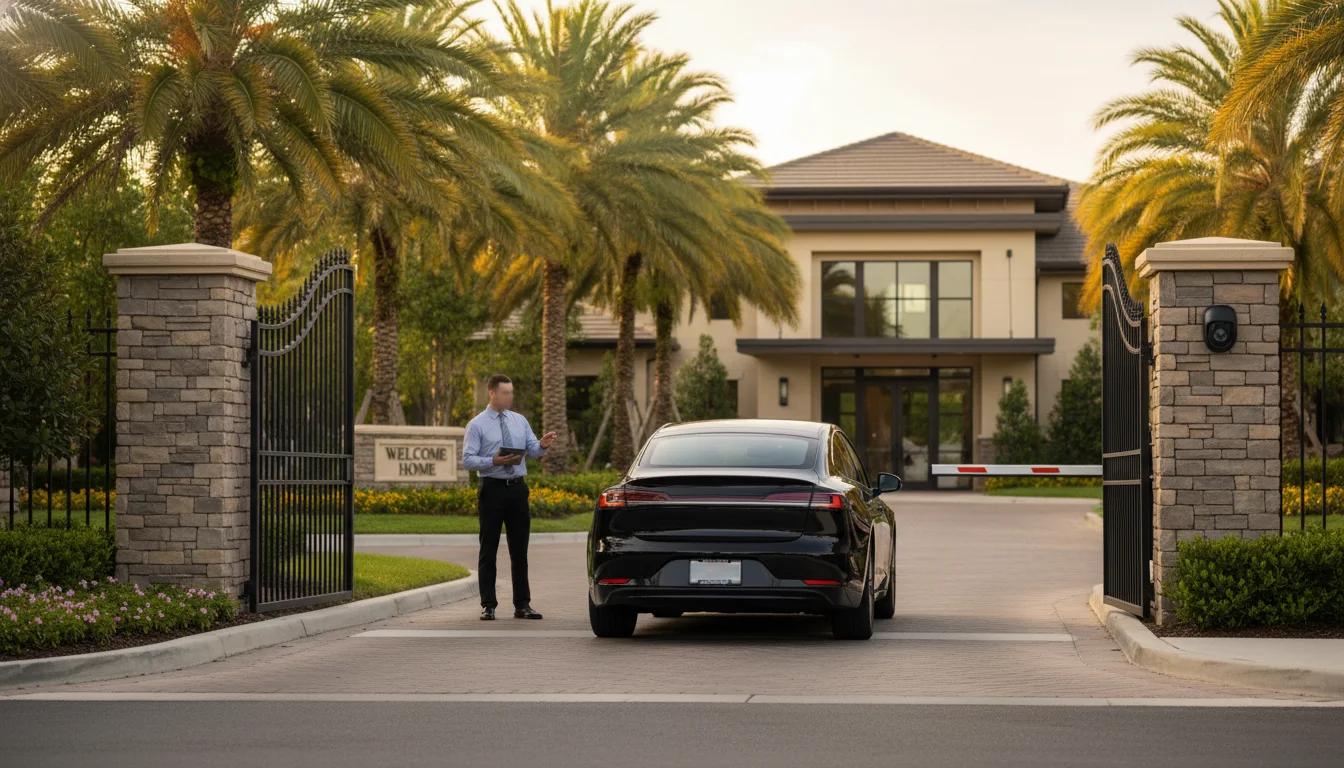
Resident-focused HOA LPR is a vehicle recognition workflow designed around resident convenience, visitor access, fair parking compliance, and board transparency rather than broad monitoring.
Comparison Framework
| Resident Experience | Manual Workflow | LPR-Supported Workflow |
|---|---|---|
| Gate entry | Shared codes or fobs | Approved vehicle recognition at the entry point |
| Visitor parking | Paper passes or informal permission | Time-limited visitor plate access |
| Vehicle updates | Manual lists and stickers | Cleaner resident vehicle registration workflow |
| Disputes | Complaint-driven review | Timestamped events and documented policy context |
Buyer Decision Framework
Ease
Does the resident need fewer credentials?
Fairness
Can rules be applied consistently?
Privacy
Can the board explain data limits?
Communication
Will residents see examples before launch?
Common Objections and Practical Answers
Residents may think LPR only benefits enforcement.
Show benefits around guest access, fewer shared codes, smoother entry, and better records.
Residents may worry about being tracked.
Explain retention, access roles, and the narrow private-property purpose.
Residents may not want new hardware.
Clarify whether the system can work with existing gates or cameras where appropriate.
Practical Recommendations
- Create a resident FAQ before launch.
- Explain how guest approvals work.
- Clarify how residents update vehicles.
- Explain what happens when a vehicle is not recognized.
- Link resident benefits back to the privacy policy.
Related PLACA Resources
HOA Privacy First Security Resource Center
Start here for privacy-first HOA camera, LPR, data, and resident-trust planning.
HOA License Plate Recognition
See how HOA LPR supports resident vehicles, visitor parking, permits, gates, and parking compliance.
Resident Solutions
Explore residential vehicle access, parking, and community operations workflows.
HOA Gate Access Control
Review gate access options for residents, visitors, staff, vendors, and private community entrances.
Cloud Visitor Management
Visitor access without shared codes.
Privacy-First HOA Security
Review privacy-first security planning for boards, managers, and resident trust.
Access Control
Compare vehicle access control and gate automation workflows across property types.
Flock Safety Alternatives for HOA
Compare privacy-conscious LPR options for HOA communities.
FAQ
How does HOA LPR help residents?
HOA LPR can help residents by simplifying gate entry, reducing shared codes, managing visitor parking, keeping vehicle records current, and documenting parking rules more fairly.
Does HOA LPR replace resident registration?
No. LPR works best when resident vehicle registration is clear and current. It can make that registration more useful.
Can LPR help visitor parking?
Yes. Visitor vehicles can be approved for defined time windows instead of relying on reusable permits or shared gate codes.
Why would residents support HOA LPR?
Residents are more likely to support LPR when the board explains convenience, fairness, privacy safeguards, and the exact community purpose.
Review Your HOA Security Workflow Before the Next Camera Decision
PLACA can help boards and managers evaluate LPR, gate access, visitor parking, resident registration, retention, and privacy-first policy language.
Request a Privacy-First HOA Security Assessment
Share your community type, entrances, parking issues, current camera system, and privacy concerns.
This page is educational and does not provide legal advice. HOA boards should consult qualified counsel for state-specific privacy and governance requirements.
Data source: Community Associations Institute