

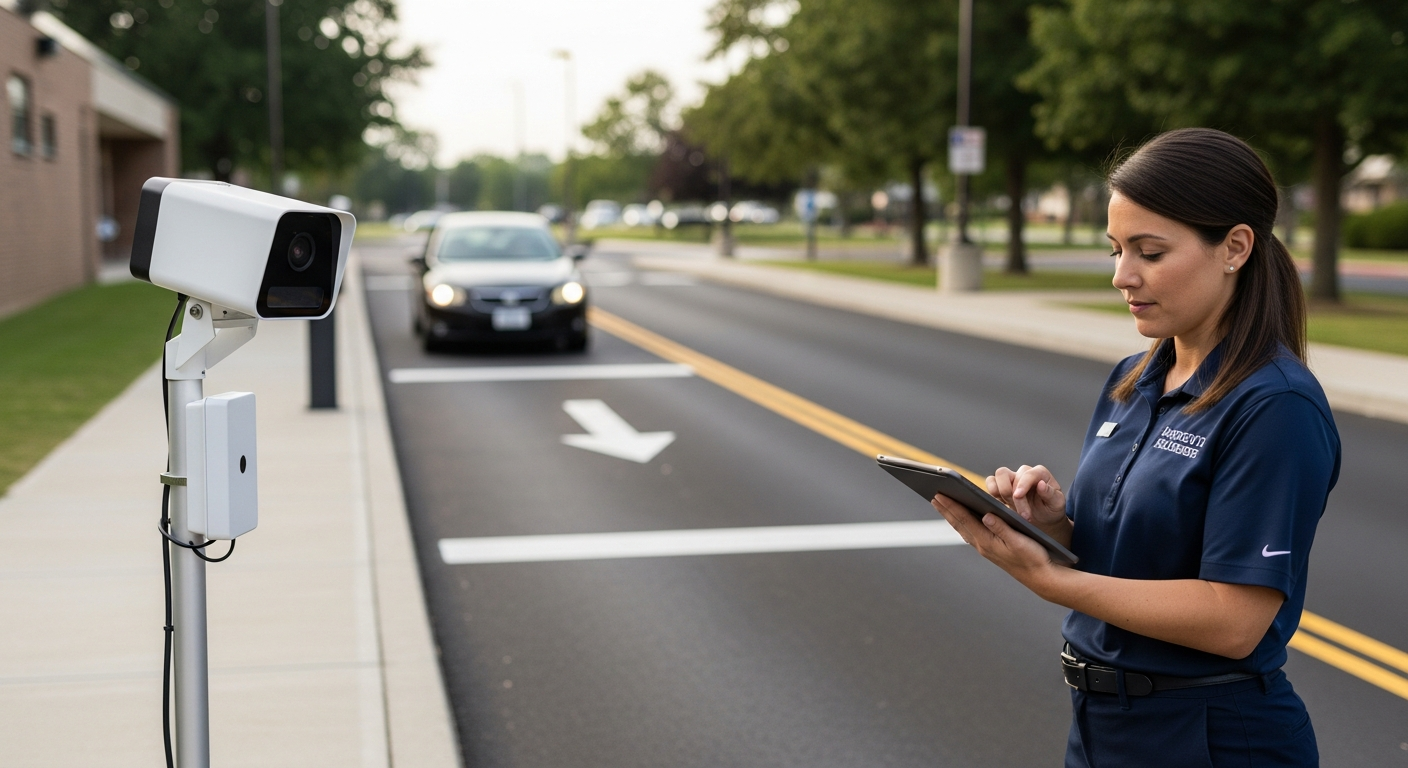
school pickup pilot program one lane
A one-lane pilot is the lowest-risk way for a school to test a student pickup line app without any campus-wide commitment. Here is exactly how it works and what to measure.
How a One-Lane Pickup Pilot Can Help Schools Test New Technology
School technology adoption often fails not because the technology is bad, but because implementation is too big, too fast. A one-lane pilot program solves this by limiting the scope to something testable and reversible.
What a One-Lane Pickup Pilot Looks Like
In a one-lane pilot:
- One designated pickup lane runs through the digital authorization system
- Other lanes continue with the existing paper tag process
- After 30 days, results from the pilot lane are compared to non-pilot lanes
- Staff, parents, and administrators review the results before deciding whether to expand
This side-by-side comparison gives principals real data – not vendor promises – about the impact on wait time, staff calls, parent complaints, and authorization incidents.
Who Participates in the Pilot Lane
Parents in the pilot lane register their vehicles or QR codes before the pilot begins. Registration is typically completed via a web link sent in the school’s regular newsletter or email. Parents who don’t complete registration continue through the existing lane process – no one is excluded.
What to Measure During the 30-Day Pilot
- Average wait time per vehicle in the pilot lane vs. non-pilot lanes
- Number of radio calls during dismissal per day
- Temporary/grandparent pickup requests to the front office
- Unauthorized or flagged vehicle incidents
- Staff satisfaction (brief weekly survey)
- Parent feedback on the registration and pickup experience
See the complete pilot program guide for a full metrics table and success checklist.
When to Expand Beyond the Pilot Lane
Expand when you have: clear wait time reduction data, positive staff feedback, at least 60-70% parent registration rate in the pilot lane, and no unresolved authorization incidents. Most schools with a successful one-lane pilot expand to full campus within one semester.
Get the school pickup safety checklist and pilot guide
Data reference: National Center for Education Statistics