

Towing LPR and Parking Enforcement
See how tow truck camera license plate readers support mobile LPR patrols, cloud events, camera placement, and parking enforcement.
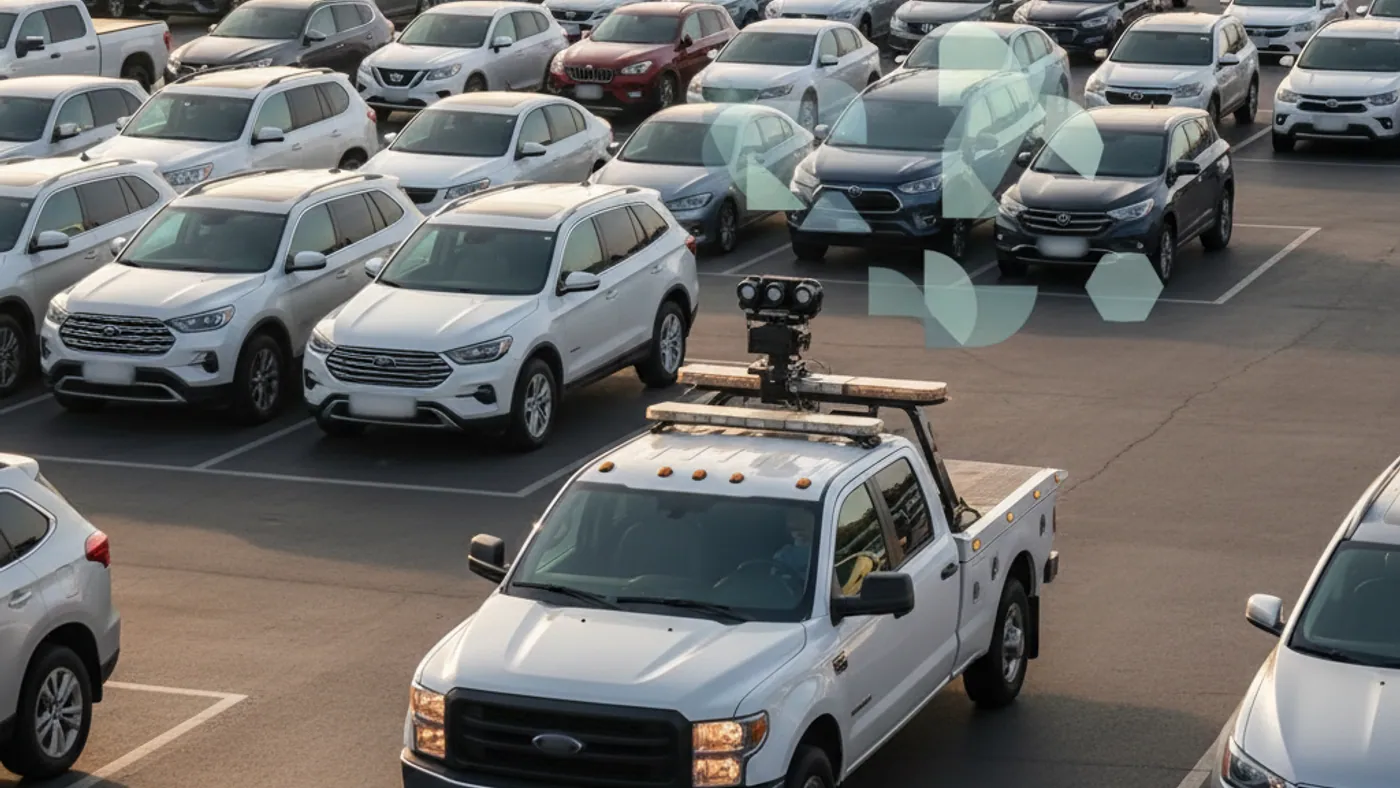
A tow truck camera license plate reader captures plate images as a patrol vehicle moves through parking rows or property entrances. The software reads the plate, logs the time and location, and helps the towing team review authorization or violation context. Placa.ai supports cloud-based event handling for patrol workflows where camera quality, lighting, angle, and stream access are suitable.
Compatibility depends on camera angle, image quality, lighting, stream access, network reliability, and deployment configuration.
Before and After Mobile LPR
A driver assigned to a commercial lot patrol may circle the property several times, slowing down to read plates, stopping to type numbers, and taking photos only when a possible violation appears. When the driver returns to the office, the records are scattered across notes, dispatch messages, and camera rolls. With mobile LPR, the patrol route creates structured plate events as the truck moves. The driver still follows company policy, but the software gives the team a clearer record to review.
What Placa.ai Adds to Towing Patrols
Faster Patrol Review
Drivers can reduce manual plate entry and work from plate events instead of scattered notes and unclear photos.
Searchable Evidence
Cloud event logging can preserve timestamps, plate reads, route context, and review history for easier dispute handling.
Flexible Deployment
Placa.ai is designed to adapt to many properly configured towing and patrol camera workflows instead of locking teams into one hardware stack.
Truck-Mounted Camera Workflows
Truck-mounted LPR cameras should be positioned for the actual patrol path, not just for general video. Camera height, field of view, plate angle, vehicle speed, and lighting determine whether a reader can produce useful plate events.
Mobile Patrol Scanning
Mobile patrol scanning lets a towing or enforcement vehicle collect plate events while moving through parking rows, apartment lots, HOA streets, commercial properties, or private enforcement zones.
Cloud Processing and Driver Visibility
Placa.ai can process plate events in the cloud and make them searchable for review. This helps supervisors and operators see patrol activity without waiting for local DVR footage to be pulled from a truck.
Day and Night Enforcement
Night patrols require careful camera selection, IR performance, lighting review, lens selection, and lane distance planning. Placa.ai avoids blanket compatibility claims because real performance depends on the environment.
Private-Property Enforcement Examples
Apartment lots, office parks, HOA guest parking areas, and paid parking facilities can use mobile LPR patrol workflows to support permit validation, unauthorized vehicle review, and documented enforcement decisions.
Workflow Comparison
| Workflow | Where It Helps | Operational Tradeoff |
|---|---|---|
| General dash camera | Records the patrol visually | Does not reliably read and index plates |
| Manual phone photos | Simple for one-off evidence | Time consuming at scale |
| Tow truck camera LPR | Reads plates into a searchable workflow | Needs correct camera placement and software rules |
Improve Your Parking Enforcement Patrol
Placa.ai can help evaluate your patrol routes, tow truck camera setup, apartment and HOA enforcement workflow, evidence requirements, and cloud LPR readiness.
Frequently Asked Questions
Can LPR work on patrol vehicles?
Yes. Patrol vehicle LPR can work when the camera, lens, angle, lighting, speed, stream access, and network conditions support plate capture.
Where should a tow truck LPR camera be mounted?
Placement depends on the vehicle, patrol route, and target plate angle. Many deployments need a review of side-facing, front-facing, or multi-camera capture options.
Can tow truck cameras read plates at night?
Night reads are possible with the right camera, lighting, IR, lens, and angle. Standard cameras may not be enough for reliable night plate capture.
Does Placa.ai require one camera brand?
No single brand is required for every deployment. Placa.ai supports hardware-flexible deployments where compatible cameras produce usable plate images or video streams.
How does mobile LPR help parking enforcement?
It helps teams create searchable plate events, reduce manual plate entry, review repeat visits, and document enforcement decisions with timestamps.
Can this support apartments and HOAs?
Yes. Apartments and HOAs often need patrol workflows for permit checks, guest parking rules, unauthorized vehicles, and dispute review.
Internal Resources
- What Should Towing Teams Document Before a Private-Property Tow Under New Transparency Laws?
- How Texas HOAs Can Manage Unauthorized Commercial Vehicles Without Creating Resident Friction
- How HOA Patrol Operators Can Prioritize High-Risk Lots With Mobile LPR Workflows
- How HOA Patrol Operators Can Document Parking Violations With Mobile LPR Workflows
- How Night Patrol Teams Can Capture Better Evidence Before A Tow With Mobile LPR Workflows
Data source: U.S. Department of Transportation