

when need radar assisted LPR
When Do You Need Radar-Assisted LPR?
A practical guide from Placa for buyers comparing camera placement, LPR workflows, and private-property vehicle recognition options.
Why This Matters
License plate recognition is rarely solved by buying a camera at random. The camera must see the plate clearly, at the right angle, in the right lighting, at the expected speed. Then the software must turn that read into a useful vehicle event: a searchable log, access decision, alert, report, or evidence record.
Capture First
Check lane geometry, mounting height, distance, approach angle, glare, and whether cars stop, crawl, or pass at speed.
Workflow Second
Decide what should happen after a plate is read: open a gate, flag a vehicle, search history, notify staff, or document a parking event.
Recommendation Last
Only after those conditions are known should a camera tier be selected.
What to Compare
- Lane count and whether each lane needs its own capture zone.
- Vehicle speed and whether radar-assisted or radar-triggered capture is useful.
- Night performance, IR behavior, and headlight glare.
- Power and network access, including cellular and wireless options.
- Gate controller or parking workflow integration.
- Privacy policy, retention rules, user permissions, and search access.
How Placa Helps
Placa is a cloud AI LPR platform, not a generic camera storefront. The goal is to match the camera to the site, connect the camera to cloud LPR workflows, and help teams use the resulting vehicle events for safer, cleaner operations.
Related Placa Resource
Related Placa Resource
Camera Recommendation
Related Placa Resource
Related Placa Resource
Image Recommendations
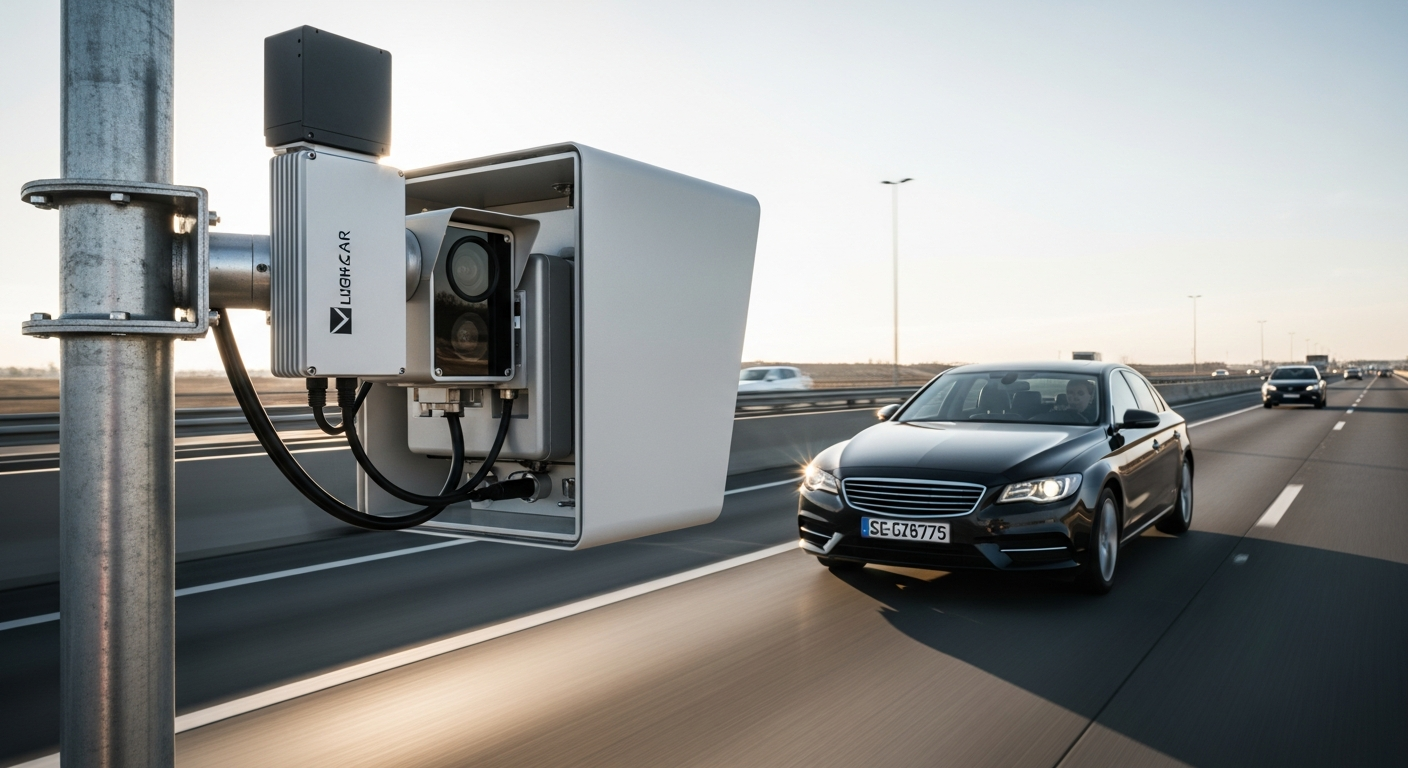
Hero image: realistic private-property entrance with a visible LPR camera and subtle Placa dashboard overlay. Diagram: camera angle, capture zone, plate read event, and cloud dashboard. AI prompt: Create a clean modern SaaS-style image showing a private-property entrance with vehicles entering, an LPR camera mounted near the lane, subtle plate recognition overlay, and a Placa cloud dashboard UI. No police, no citations, no third-party logos.
FAQ
What should I know about when do you need radar assisted LPR?
When Do You Need Radar-Assisted LPR? should be evaluated around plate capture conditions, camera placement, lighting, vehicle speed, lane count, and how the result connects to Placa cloud LPR workflows.
Is software or hardware more important?
Both matter. Software organizes plate events, search, alerts, and permissions, but the camera still needs a usable view of the plate.
What should the next step be?
The next step is a site assessment that reviews entrance geometry, speed, lighting, power, network access, and gate or parking workflow needs.
See Which Camera Fits Your Site
Share your entrance layout, speed, lane count, and current gate or parking workflow.
When Radar-Assisted LPR Is the Right Choice
Radar-assisted LPR pairs a radar speed sensor with the camera to trigger captures at precisely the right moment, eliminating blur from vehicles moving faster than the camera’s standard shutter speed. Understanding when you need radar assisted LPR helps avoid over-specifying or under-specifying your system.
At what vehicle speed does standard LPR start missing plates?
Most standard LPR cameras perform reliably up to 25 to 30 mph. Above that threshold, motion blur degrades character recognition accuracy. Radar-assisted systems trigger the shutter at the exact moment the vehicle is in the optimal capture zone, freezing the plate even at highway approach speeds of 50 mph or more.
What types of sites benefit most from radar-assisted LPR?
Sites where vehicles do not slow to a stop-or cannot be forced to slow down-benefit most. These include secondary road entrances, open parking field access points, throughways where gates are not practical, and any enforcement or monitoring application on a street with normal traffic flow. HOA entrances with speed bumps or mandatory stops rarely need radar assistance.
Does radar-assisted LPR work in reverse (exit) lanes?
Yes. Radar triggers work bidirectionally. Exit lane deployments use the same radar hardware, simply mounted to capture outbound vehicle speed and trigger accordingly. For sites monitoring both entry and exit with high-speed approaches, each direction receives its own radar-camera pair.
How does radar improve accuracy compared to motion detection?
Software-based motion detection analyzes pixel changes between video frames, which can be triggered by shadows, leaves, or adjacent moving objects. Radar detects actual velocity of physical objects, filtering out non-vehicle movement. This makes radar-triggered captures more reliable in outdoor environments with wind, vegetation, or variable lighting.
Knowing when you need radar assisted LPR avoids unnecessary hardware cost while ensuring that high-speed or uncontrolled-approach sites achieve the capture accuracy required for enforcement, access control, or monitoring use cases.
Internal Resources
- How Private Lot Owners Can Connect QR Sessions To License Plates Without Adding More Hardware
- How Apartment Enforcement Teams Can Document Parking Violations With Mobile LPR Workflows
- Mobile Surveillance Trailer License Plate Recognition
Data source: Electronic Frontier Foundation: License Plate Readers