
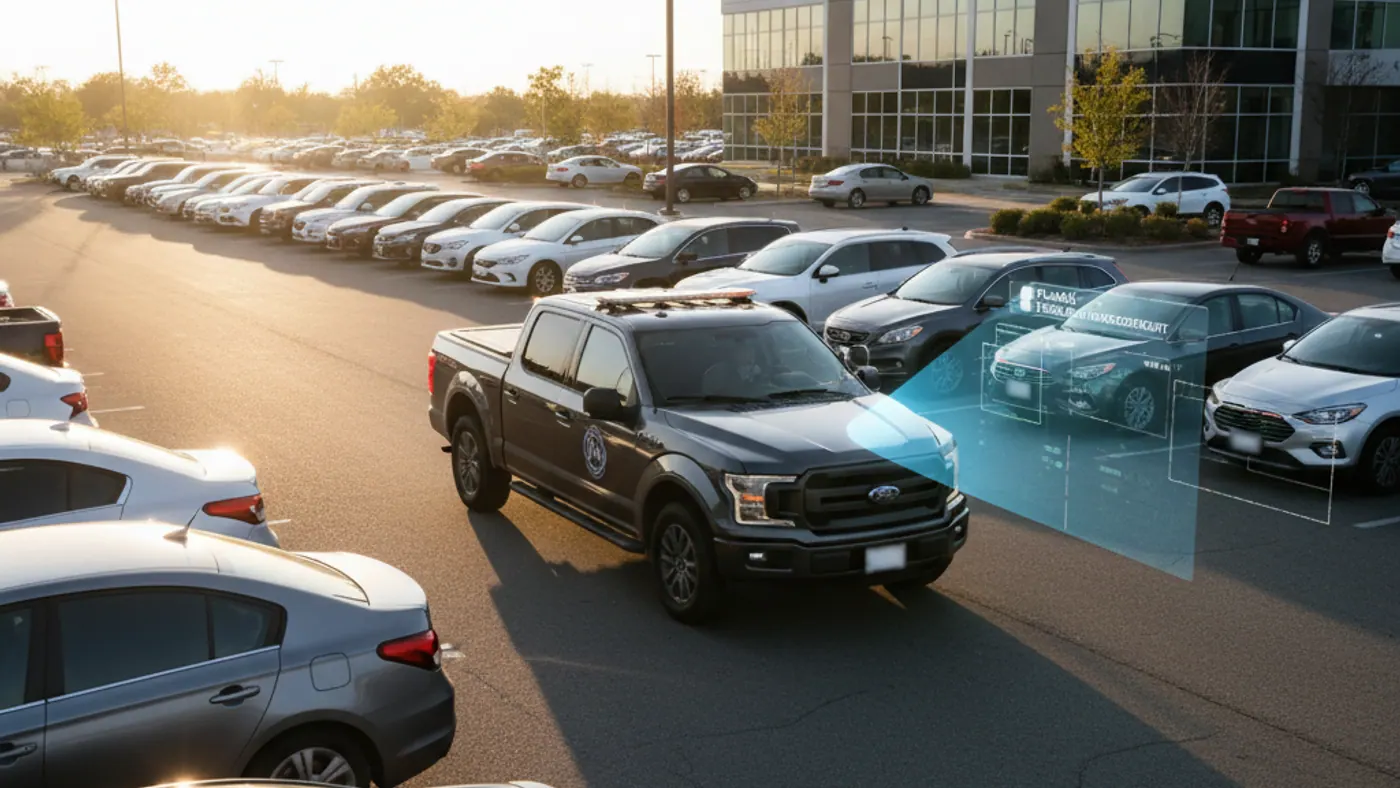
YNOT towing alternative: PLACA AI gives private property towing companies a cloud LPR enforcement workflow that reduces dependence on in-truck computers, DVRs, hard drives, and local processing hardware.
If your current enforcement process depends on truck-mounted computers or local storage, every route carries extra failure points. A cloud-first license plate recognition workflow lets cameras capture plates, send reads to the cloud, and return enforcement decisions to drivers without turning every truck into an IT project.
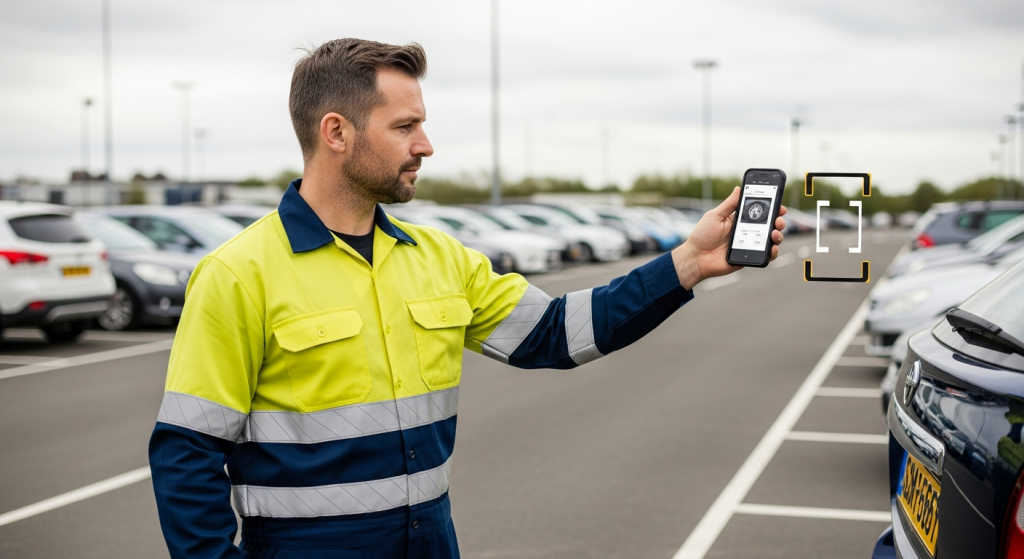
Book a demo to review your current towing enforcement setup.
Why Towing Companies Look for a YNOT Towing Alternative
Private property towing is mobile, time-sensitive, and document-heavy. Drivers move between apartment communities, HOAs, commercial lots, schools, and reserved parking areas. They need fast authorization checks, reliable evidence, and clear documentation for every enforcement decision.
A hardware-heavy enforcement model can work, but it often adds installation time, truck downtime, equipment maintenance, storage concerns, and support calls. A YNOT towing alternative should keep the useful parts of LPR enforcement while reducing the hardware burden inside each vehicle.
YNOT Towing Alternative Comparison
| Enforcement need | Hardware-heavy towing setup | PLACA AI cloud LPR model |
|---|---|---|
| Plate capture | Truck-mounted camera and local hardware | IP camera capture with cloud processing |
| Plate processing | Local computer or DVR dependency | Cloud LPR processing |
| Evidence storage | Local storage or device-based records | Cloud records tied to enforcement events |
| Truck downtime risk | Higher when local hardware fails | Lower hardware burden inside the truck |
| Scaling to more routes | More installed vehicle hardware | Lighter deployment path for added routes |
| Property manager story | Hardware-centered enforcement | Cloud records, searchable logs, and faster review |
7 Powerful Cloud LPR Benefits for a YNOT Towing Alternative
PLACA AI uses a direct workflow: camera capture, cloud recognition, enforcement decision, and event record. That structure helps towing teams validate vehicles faster while reducing the number of local components that have to be installed, powered, maintained, and replaced.
- Cloud LPR processing: plate reads are processed in the cloud instead of depending on a local truck computer.
- Evidence-backed decisions: each enforcement event can be connected to plate data and image evidence.
- Fewer vehicle hardware dependencies: the workflow is designed to reduce DVR, hard-drive, and local processing headaches.
- Better account reporting: property managers get a clearer story about how vehicles were validated.
- Faster route expansion: towing operators can add accounts and routes without rebuilding every truck workflow from scratch.
- Cleaner manager reviews: cloud records make it easier to review enforcement history when a property manager asks what happened.
- Lower support load: fewer local devices can mean fewer driver calls about computers, storage, or update problems.
For a broader view of towing workflows, see parking enforcement software for towing companies and the guide to the best LPR system for towing companies.
When a Cloud LPR Model Makes Sense
A cloud-based YNOT towing alternative is strongest when your company wants to reduce local hardware, expand routes without complicated vehicle installations, and give property managers better documentation. It is also useful when failed computers, DVRs, storage drives, or software updates have slowed enforcement in the past.
The same license plate recognition concept is often called automatic number plate recognition in technical literature. For background on the category, see automatic number-plate recognition.
What to Ask Before Replacing a Towing Enforcement System
- How many trucks need LPR today, and how many will need it next year?
- Which failures cause the most downtime: computer, DVR, camera, storage, software, or network?
- Do property managers need searchable records, photo evidence, or audit-friendly reporting?
- Can the workflow support apartments, HOAs, commercial lots, schools, and mixed private-property accounts?
- How quickly can a new route or truck be added without a heavy install process?
These questions help separate a simple software comparison from the real operating cost of towing enforcement hardware. The right YNOT towing alternative should reduce complexity for both drivers and managers.
Related PLACA AI Resources
- YNOT vs PLACA AI
- YNOT towing alternative page
- Parking enforcement LPR camera
- YNOT parking pricing comparison
Request a YNOT Towing Alternative Setup Review
If you are replacing YNOT, comparing YNOT pricing, or modernizing private property enforcement, PLACA AI can help map your current workflow into a cloud LPR enforcement model. Request a setup review.
YNOT Towing Alternative FAQ
-
What is a YNOT towing alternative?
A YNOT towing alternative is a parking enforcement system towing companies can use instead of a hardware-heavy YNOT-style workflow. PLACA AI focuses on cloud LPR enforcement so companies can reduce in-truck computer and DVR dependencies.
-
Why choose cloud LPR for towing enforcement?
Cloud LPR can reduce local processing hardware, simplify records, and help drivers receive enforcement decisions without relying on a truck computer for every plate read.
-
Can PLACA AI support private property towing?
Yes. PLACA AI supports towing companies that enforce apartment, HOA, school, commercial, and private parking rules with plate-based vehicle validation.
-
Does PLACA AI replace truck DVRs?
PLACA AI is designed around cloud LPR records rather than a DVR-first truck workflow. The exact setup depends on the cameras, routes, properties, and evidence requirements in your enforcement program.
Related planning resource: PLACA.AI at TowXpo 2025.
Towing and Parking Enforcement LPR Resources
Explore cloud-first LPR workflows for tow trucks, patrol vehicles, apartment parking enforcement, HOA patrols, and private-property towing operations.
Internal Resources
- How Texas HOAs Can Stop Guest Permit Sharing Without Creating Resident Friction
- How Apartment Enforcement Teams Can Compare Patrol Software Workflows With Mobile LPR Workflows
- How Night Patrol Teams Can Manage Overnight Patrol Routes With Mobile LPR Workflows
- How HOA Boards Can Manage Seasonal Resident Parking Changes Without Creating Resident Friction
- License Plate Recognition for Parking Enforcement