

ai fixing parking problems
Picture this: it’s 3:10 PM. A line of 60 cars snakes out of a school parking lot onto the main road. A staff member squints at handwritten name cards. A parent in the fourth car is honking. A child stands alone because nobody could find her name fast enough. By 3:45 the lot is clear – but two fender-benders have been filed, a teacher missed her planning session, and 40 families lost 15 minutes each.
That’s 10 hours of collective human time. Gone. Every single day.
It’s not because anyone is incompetent. It’s because the system was designed for a different era – and nobody replaced it.
Why Parking Hasn’t Evolved
- First-come-first-served queuing – rewards the anxious, punishes everyone else
- Manual enforcement – scales only as far as one person’s attention span
- Zero real-time visibility – every decision is reactive, never predictive
These are structural failures dressed up as normal. The system isn’t broken because people use it wrong. It’s broken because it was never designed for the volume, speed, and safety requirements of modern life.
The Hidden Cost Nobody Calculates
- Time: Drivers circle 5-20 minutes. A 500-student school loses thousands of parent-hours per year.
- Safety incidents: Unstructured flow is the leading cause of parking lot accidents – school zones are among the highest-risk environments in any community.
- Staff burnout: Manual vehicle coordination eats 30-45 minutes of staff time every afternoon.
- Liability exposure: One incident in an unstructured pickup zone can cost a district far more than any automation system ever would.
Where It Breaks Worst: School Pickup Zones
- No structured queue – cars park anywhere
- No arrival visibility – staff react instead of prepare
- No digital tracking – student release is manual and error-prone
- Peak congestion in a 20-minute window – no margin for error
A school pickup line is statistically one of the most dangerous traffic environments a child encounters – pedestrians, slow-moving vehicles, distracted parents, zero enforcement, in a small chaotic space.
How AI Changes the Equation
| Old System | AI-Powered System |
|---|---|
| Staff scan cards manually | Cameras read license plates automatically |
| Parents wait without updates | Parents receive real-time notifications |
| Students stand and wait | Students staged before the car arrives |
| Flow is reactive | Flow is predictive |
| Errors are common | Errors are logged and corrected instantly |
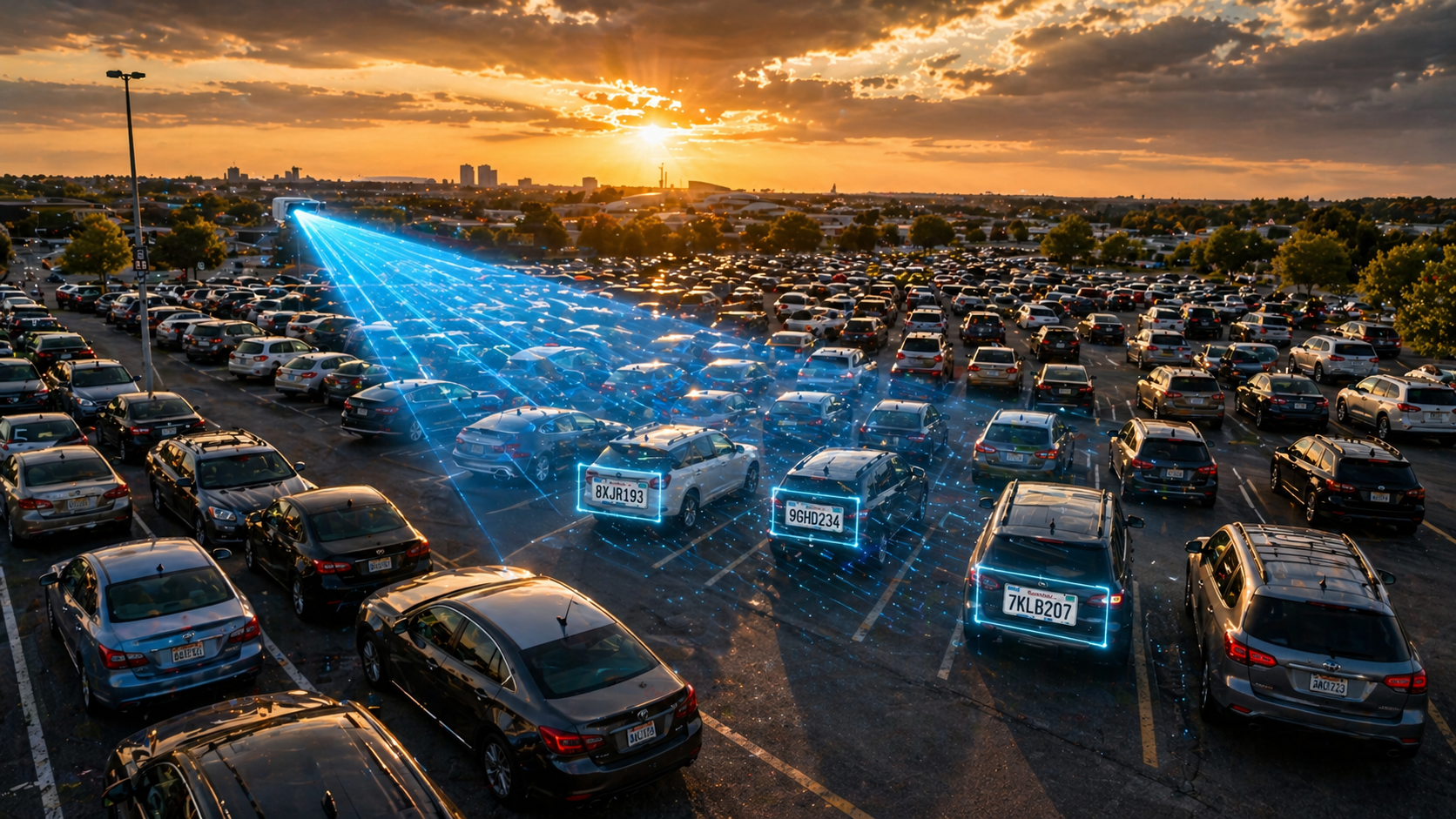
License Plate Recognition (LPR) paired with smart queuing and real-time alerts transforms a 45-minute ordeal into a 12-minute operation.
The Shift from Chaos to Controlled Flow
When a school’s pickup system knows which cars are arriving, in what order, and at what time – staff can prepare, students can be staged, and traffic can be routed before it stacks. That’s not just faster. It’s structurally safer.
Where PLACA.AI Fits
- Real-time arrival detection via LPR – no apps, no QR codes, no check-in
- Automated staff notifications the moment a known vehicle enters the zone
- Secure student release tracking – every dismissal logged with time and vehicle data
- Queue management that stages students before cars arrive, cutting contact time in half
Schools that implement PLACA.AI run faster pickups and safer ones – with a full audit trail and zero manual handoff risk.
The Bottom Line
If your parking system feels broken, it’s because it is broken – not because of the people running it. AI exists to fix it. The schools that act now will spend the next decade running smoother operations while others keep handing clipboards to staff who should be teaching.
Ready to stop patching a broken system?
See how PLACA.AI works
Related Reading: Why School Pickup Lines Are So Chaotic | Manual vs Automated Pickup Systems | What Is LPR for Schools?
Talk to PLACA.AI
Need help choosing the right LPR workflow?
Send your property, parking, or access-control question through the PLACA.AI contact form. Dr. Suhayb and the team can help map the right camera, software, and enforcement setup.
Open contact formRelated Resources
Data source: U.S. Department of Transportation